
Jones Act Waiver 2026: U.S. Extends Domestic Shipping Exemption
The U.S. has extended the Jones Act waiver until August 2026, allowing selected foreign-flagged vessels on domestic routes. This article explains the scope, compliance rules, industry response, and potential impact on U.S. maritime logistics.

U.S. Extends Jones Act Waiver: Foreign Vessels Authorized for Domestic Routes Until August 2026
The administration has officially authorized the Jones Act Waiver 2026 extension, providing a critical 90-day window for the maritime industry. This strategic move ensures that foreign-flagged vessels can support U.S. energy logistics during a volatile market period.
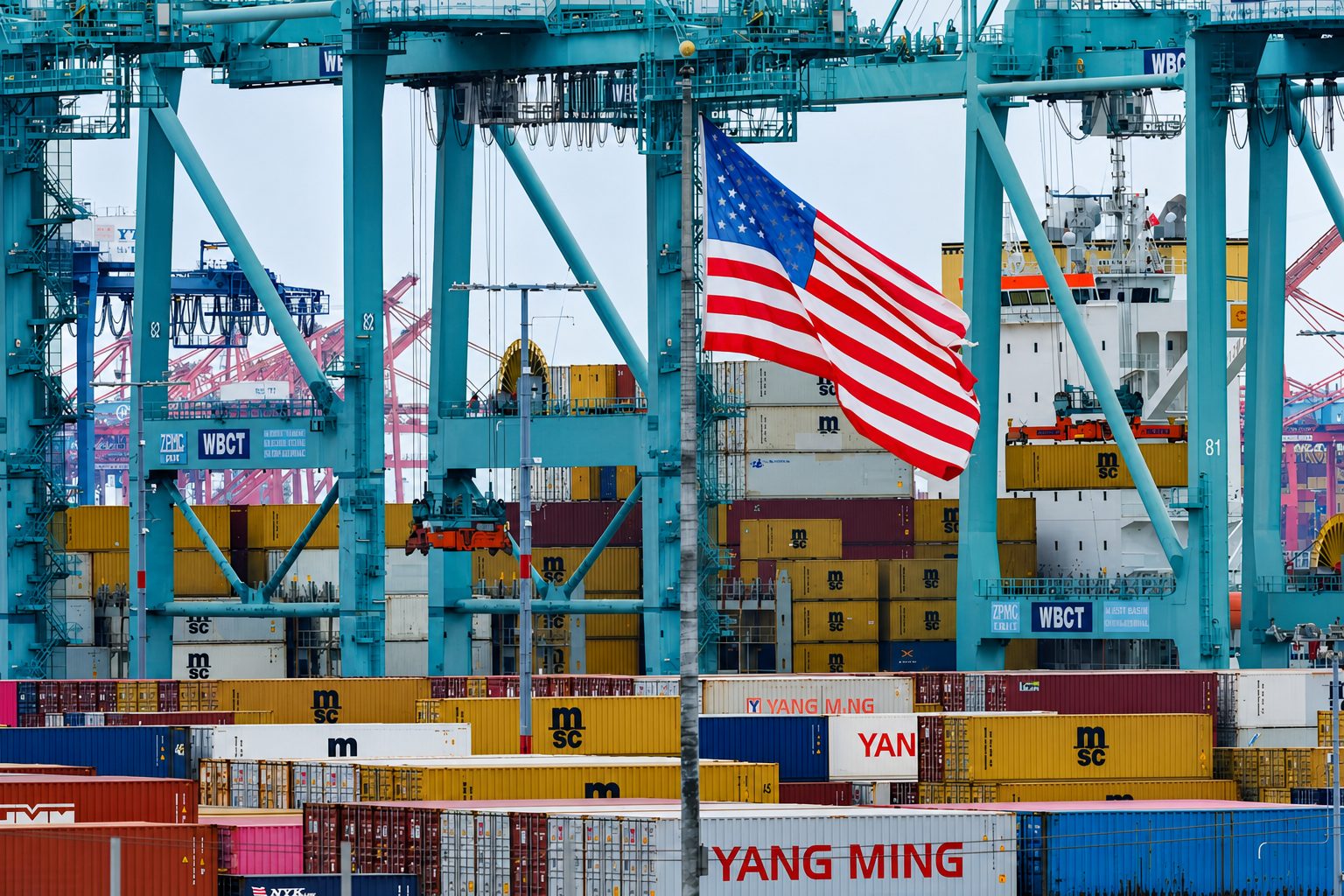
1. What is the Jones Act?
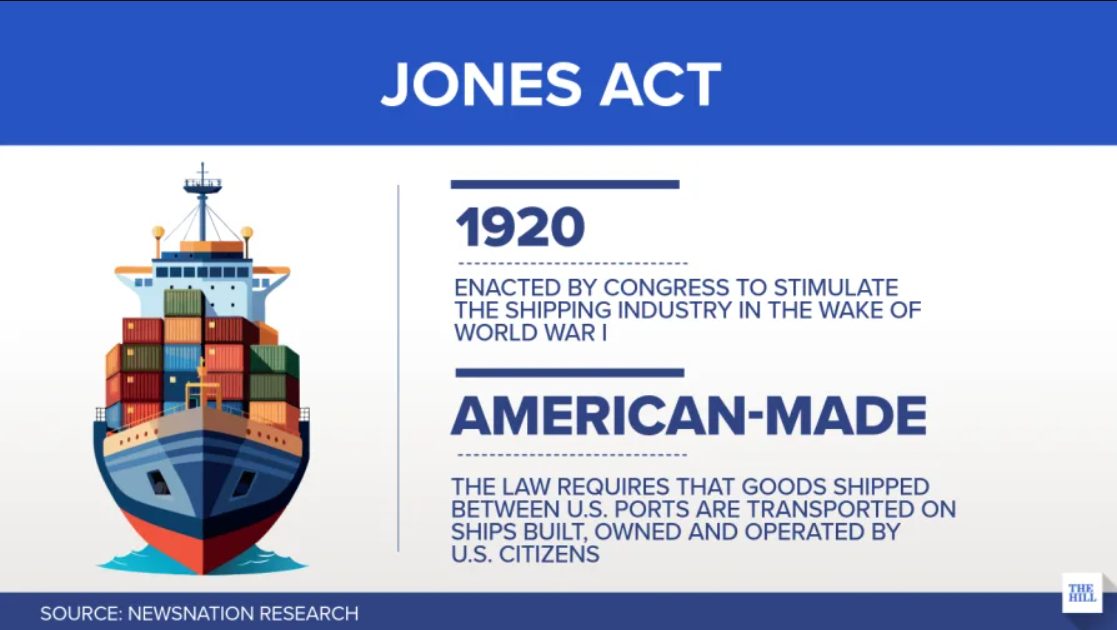
(Source: Newsnation Research )
Established in 1920, the Merchant Marine Act (Jones Act) mandates that all goods transported between U.S. ports must be carried on ships that are U.S.-built, U.S.-owned, and crewed by U.S. citizens. Known as one of the world's most stringent cabotage laws, this new 90-day extension follows an initial 60-day waiver issued in March 2026.
2. Why the Jones Act Waiver 2026 Extension Matters for Global Trade
The domestic shipping industry remains divided over these regulatory shifts. While proponents argue that the Jones Act Waiver 2026 is essential for stabilizing fuel prices, critics from the American Maritime Partnership worry about long-term impacts on U.S. shipyard investments. As we approach the August 16 deadline, logistics managers must prepare for potential capacity tightening if further extensions are not granted.
3. Key Provisions of the Jones Act Waiver 2026
The waiver is not a "free pass" for all maritime trade. It is strictly limited to: Crude Oil, Petroleum Products, Agricultural Fertilizers
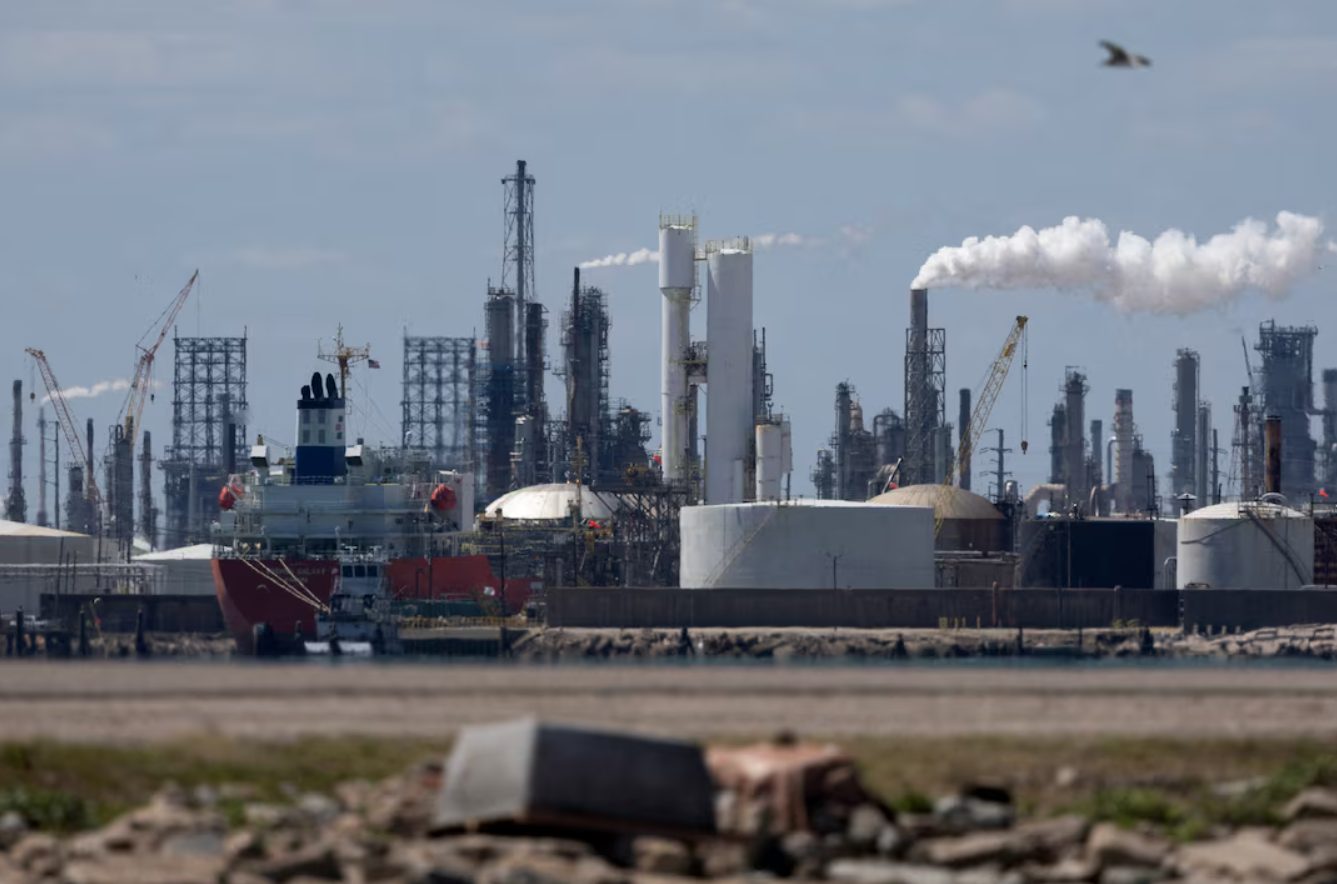
(Source: Reuters)
Foreign vessels seeking to utilize this mechanism must notify U.S. Customs and Border Protection (CBP) in advance, providing comprehensive data including IMO numbers, flag state, cargo specifications, and detailed port-to-port documentation.
4. The Geopolitical Strategy Behind the Waiver
The timing of the waiver—signed shortly after a high-level call between President Trump and the British Prime Minister regarding the reopening of Hormuz—reveals a dual-track strategy. While maintaining military pressure on Iran, the administration is easing domestic logistics to prevent fuel and food price shocks ahead of the November midterm elections. White House data confirms that delivery speeds improved significantly during the first 60 days, providing the primary justification for the extension.
5. Industry Backlash and Limited Impact
Despite the policy shift, the actual scale of operations remains modest. As of April 25, only 18 vessels have utilized the waiver. The Transportation Institute argues that the extension has "failed to lower oil prices," primarily benefiting foreign carriers. Furthermore, groups like the Seafarers International Union and the American Maritime Partnership have voiced strong opposition, warning that repeated waivers undermine domestic shipbuilding and maritime investment.
Conclusion
The fact that the U.S. has eased one of its most protected maritime barriers twice in less than 60 days sends a powerful signal: Energy and inflation pressures are currently overriding long-standing protectionist policies. For global supply chain managers, this reflects a highly volatile U.S. maritime landscape that requires close monitoring through the summer of 2026.
The domestic shipping industry remains divided over these regulatory shifts. While proponents argue that the Jones Act Waiver 2026 is essential for stabilizing fuel prices, critics from the American Maritime Partnership worry about long-term impacts on U.S. shipyard investments. As we approach the August 16 deadline, logistics managers must prepare for potential capacity tightening if further extensions are not granted
Source: Reuters · U.S. Customs and Border Protection · FreightWaves · gCaptain · Maritime Gateway
Read more Industry News and Updates here
Explore our tailored solutions for your Pet and Outdoor Garden