
Typhoon Dolphin Shanghai Ningbo Port Delays & Shipping Disruptions
Typhoon Dolphin disrupts Shanghai and Ningbo port operations, delaying containers, vessels and cargo flows while increasing rollover, congestion and shipping risks.

Typhoon Dolphin Directly Disrupts Shanghai-Ningbo Container Movements
Typhoon Dolphin has caused major transportation and logistics disruptions across eastern China, directly affecting container movements through Shanghai and Ningbo, two of the country’s most important international shipping gateways.
The storm moved into Zhejiang on August 9 with winds reported at approximately 151 km/h, forcing widespread restrictions across ports, airports, railways and other transportation networks.
For importers, exporters and freight operators with containers currently moving through Shanghai Port and Ningbo-Zhoushan Port, the impact is direct: cargo that cannot enter terminals, load onto vessels or depart according to schedule faces immediate delays.
The disruption also creates wider risks for international shipping schedules as vessels lose berth windows and carriers attempt to recover delayed rotations.
Major Transport Disruptions Across Eastern China

Typhoon Dolphin caused extensive transportation interruptions throughout the Yangtze River Delta.
More than 1,300 flights at Shanghai Pudong International Airport and Shanghai Hongqiao International Airport were reported canceled, while Hangzhou also experienced hundreds of flight cancellations.
Railway services across parts of the region were temporarily suspended as authorities introduced safety restrictions.
In Zhejiang, passenger ferry routes were halted, offshore projects were suspended and hundreds of vessels were moved into sheltered waters ahead of the storm.
More than one million people were evacuated from high-risk areas as authorities prepared for strong winds, heavy rainfall and flooding.
Direct Impact on Shanghai and Ningbo Container Shipping
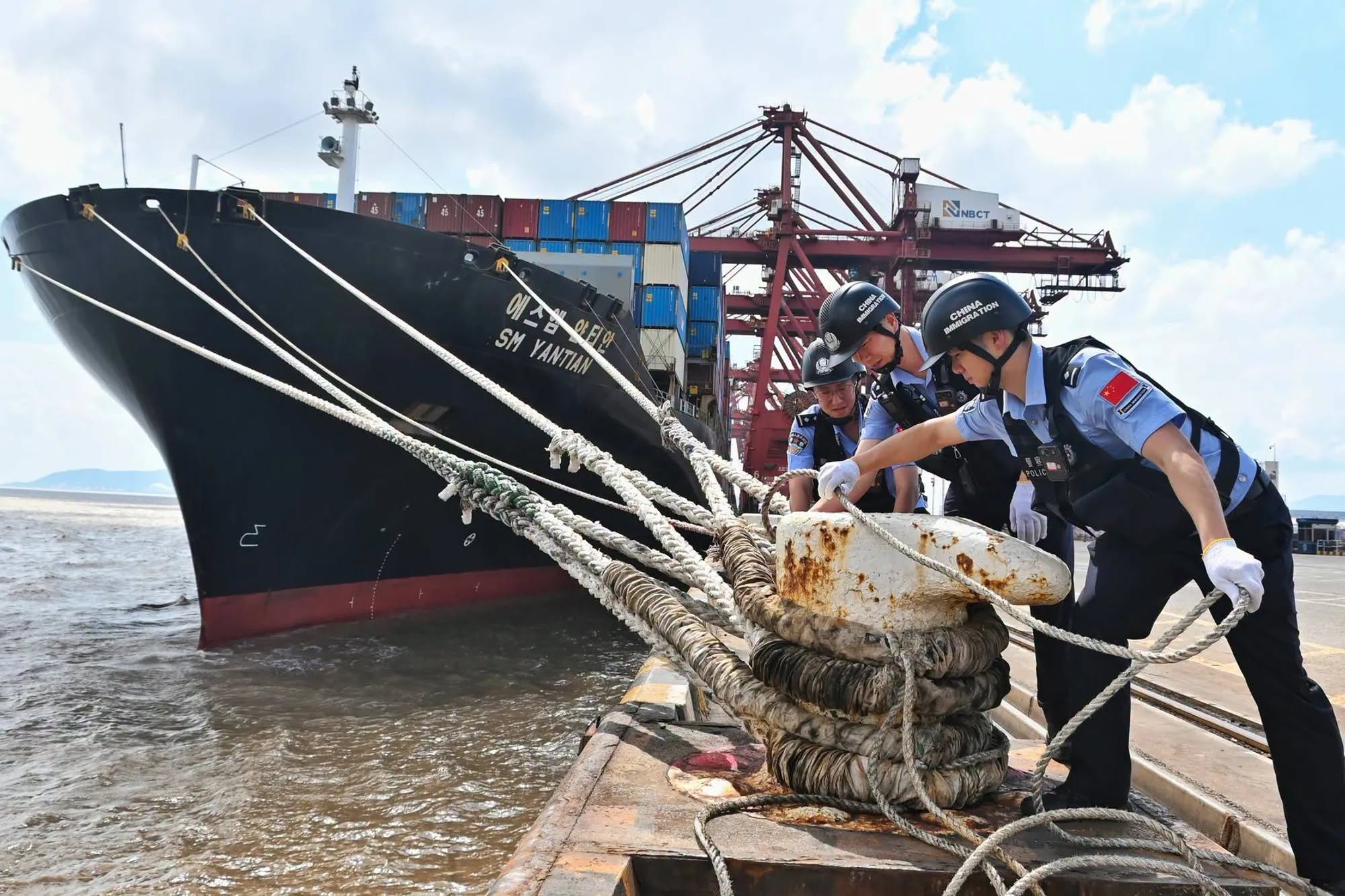
The most important issue for cargo owners is the disruption to container movement through Shanghai and Ningbo.
Terminal restrictions and temporary suspensions affected normal container gate-in and gate-out operations, while vessel arrivals, departures and marine services were also restricted.
For containers already located at or moving toward these ports, this can directly result in:
Delayed container loading and vessel departure
Missed terminal cut-off times
Container rollovers to later sailings
Revised ETDs and ETAs
Longer container dwell times
Delayed pickup and delivery
Additional storage, detention and demurrage exposure
This is not simply an indirect supply chain issue. Containers that cannot move through Shanghai or Ningbo as originally scheduled are experiencing a direct logistics impact.
Vessel Backlogs Expected as Shanghai and Ningbo Resume Operations
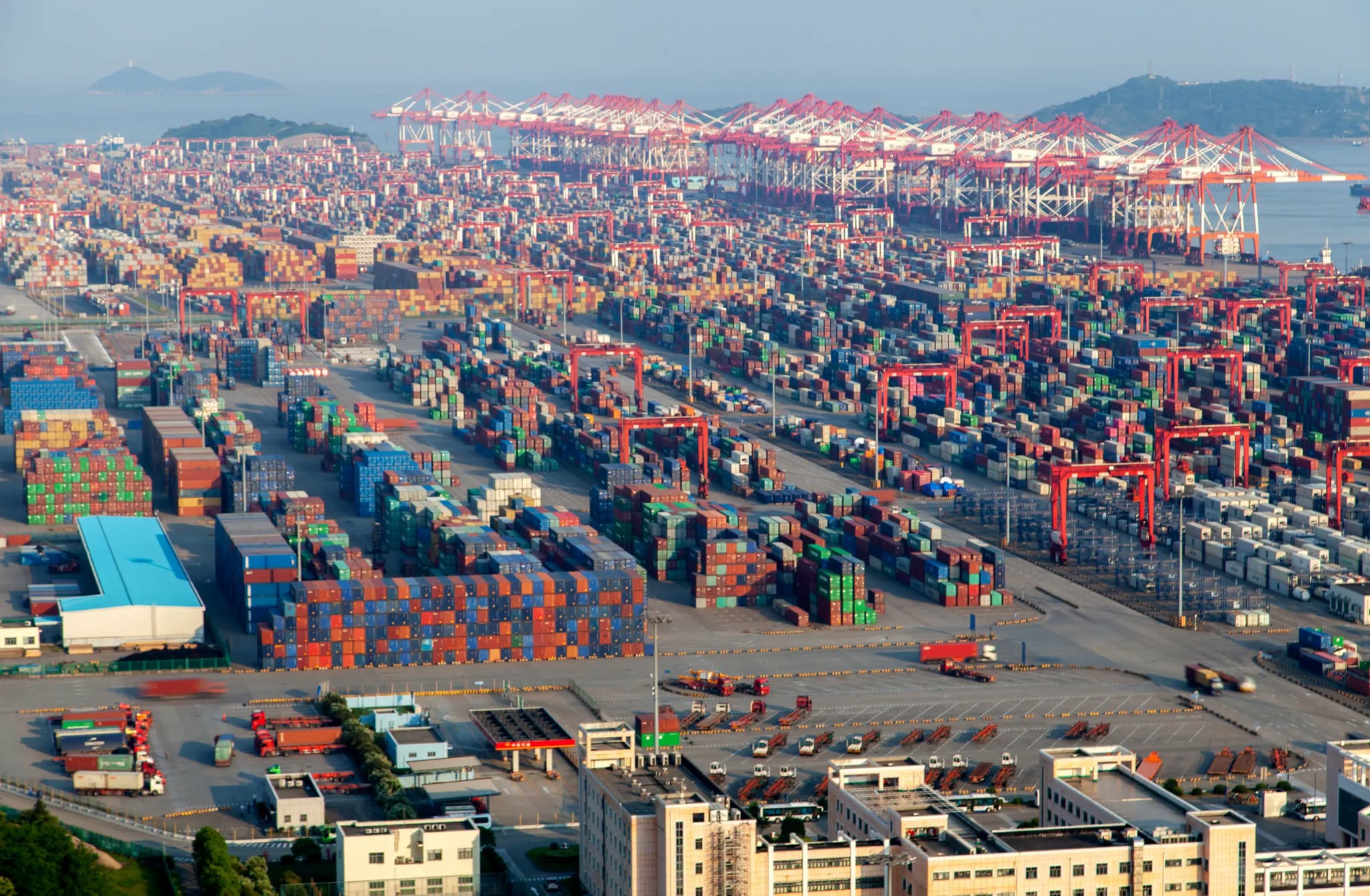
Even after weather conditions improve, container shipping operations may not immediately return to normal.
When terminals temporarily reduce or suspend operations, vessels scheduled to berth during the closure period lose their original berthing windows.
As operations resume, multiple ships may compete for available berths, producing vessel backlogs and changing ETB/ETD schedules.
This recovery phase can sometimes create significant disruption even after the typhoon itself has moved away.
Cargo owners should therefore continue monitoring shipments after ports reopen rather than assuming schedules will immediately return to normal.
Maersk Adjusts Vessel Schedules Following Port Disruption
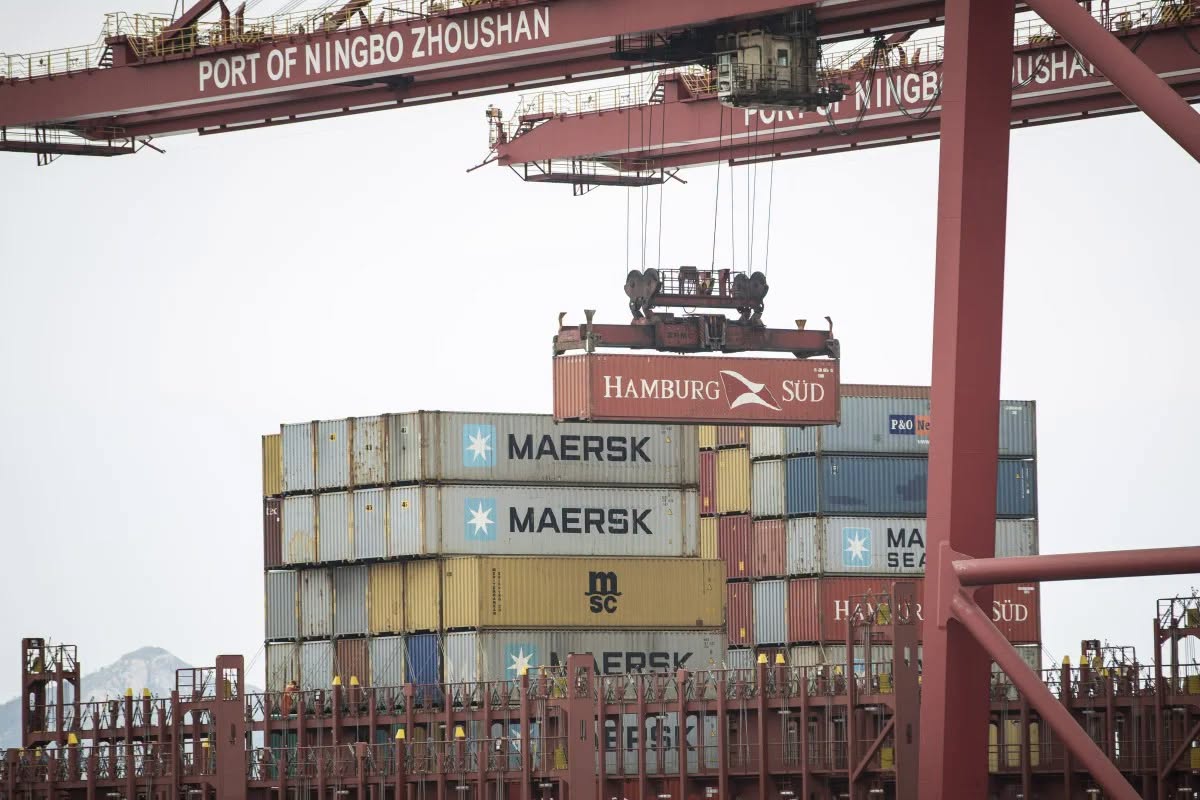
Shipping lines have already begun making schedule adjustments in response to the disruption.
On Maersk’s Qilin service, vessel rotations were adjusted to reduce downstream schedule delays.
The CAPE SERRAT omitted Melbourne, while the AS CAMELLIA omitted Sydney as part of schedule recovery measures.
These adjustments illustrate how disruption at Shanghai can quickly spread beyond China.
When vessels lose time at major Asian ports, carriers may skip subsequent ports, revise sailing schedules or change vessel rotations in an attempt to recover schedule reliability.
Shanghai-Ningbo Delays Can Affect Global Shipping Schedules
Shanghai and Ningbo are major nodes in global container shipping networks.
When vessel operations are interrupted at these ports, the effects can extend across the entire service rotation.
A vessel arriving late in Shanghai or Ningbo may subsequently arrive late at ports in Southeast Asia, Australia, Europe or North America.
Potential knock-on effects include:
Revised vessel ETA and ETD
Port omissions
Missed connections
Transshipment delays
Blank or adjusted sailings
Equipment repositioning problems
Schedule changes at downstream ports
Therefore, while containers located in Shanghai and Ningbo face a direct impact, later ports in the vessel rotation can experience significant knock-on delays.
Container Rollovers and Changing Cut-Off Times Remain Key Risks
One of the biggest short-term concerns is changing terminal cut-off times.
Temporary port closures can compress terminal operating windows once normal operations resume.
Containers originally scheduled for one vessel may miss the revised cut-off and be moved to a later sailing.
This increases the risk of container rollovers, particularly during the first several days of schedule recovery.
Exporters should closely monitor carrier notices and terminal updates rather than relying solely on the original booking confirmation.
Yard Congestion Could Slow Container Pickup and Delivery
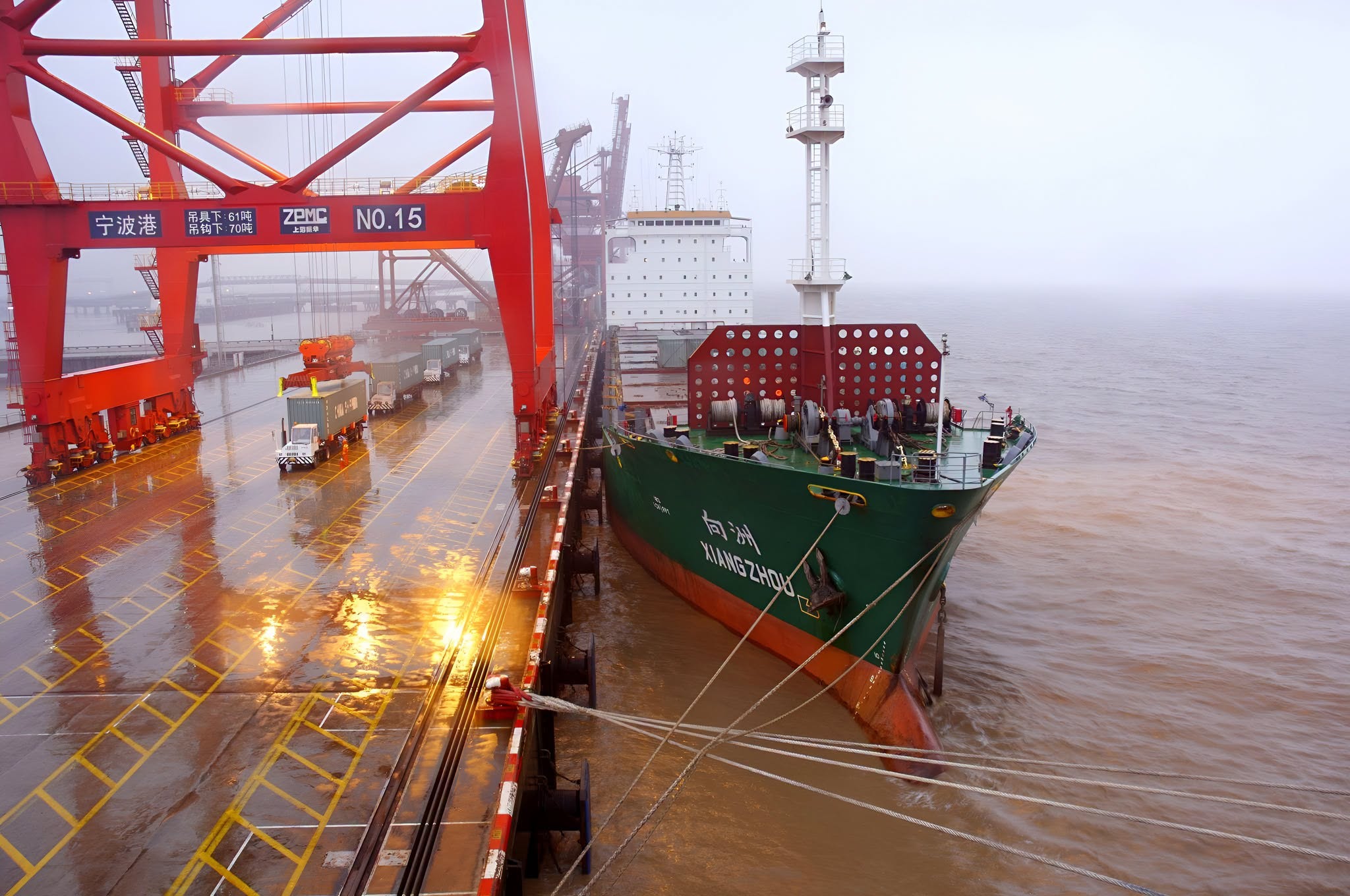
Another concern is increasing container yard density.
When vessel departures are delayed, export containers remain inside terminals longer than planned.
At the same time, import containers may accumulate because truck operations, warehouse schedules and local transportation have also been disrupted.
Higher yard density can slow:
Container gate operations
Truck turnaround times
Import container availability
Export container receiving
Terminal handling operations
This can create additional delays even after vessel movements resume.
Risk of Higher Storage, Demurrage and Detention Costs
Shipping delays may also result in additional logistics expenses.
Potential cost exposure includes:
Storage charges when containers remain inside terminals longer than expected.
Demurrage charges when containers exceed permitted terminal free time.
Detention charges when equipment remains outside the terminal beyond agreed free time.
Truck waiting costs when congestion or changing terminal appointments cause longer driver waiting periods.
Cargo owners should document disruption-related changes carefully and maintain communication with carriers, freight forwarders and trucking providers.
What Importers and Exporters Should Monitor
Companies with cargo moving through Shanghai or Ningbo should closely monitor shipment status during the coming days.
Priority items include:
Vessel ETD and ETA changes
Terminal gate-in availability
Export container cut-off times
Vessel berth schedules
Container rollover notifications
Port omission announcements
Import container availability
Transshipment connections
Storage and demurrage free time
Trucking appointments
Shippers should also reconfirm vessel schedules directly with carriers or freight forwarders because original booking information may change during schedule recovery.
Outlook for Shanghai-Ningbo Shipping Operations
Although Typhoon Dolphin is weakening, continued rainfall across Zhejiang, Shanghai, Jiangsu and Anhui may affect transportation and logistics recovery.
The immediate focus now shifts from storm closures to port recovery and backlog management.
Shanghai and Ningbo may face vessel queues, higher terminal yard density and changing shipping line schedules while carriers attempt to restore normal service rotations.
The full impact will depend on how quickly terminals clear vessel backlogs and how aggressively shipping lines adjust schedules.
For businesses with containers currently moving through the region, continued shipment monitoring remains essential even after port operations resume.
Key Takeaway
Typhoon Dolphin has created both direct and global supply chain consequences.
Containers currently moving through Shanghai and Ningbo are directly affected when terminal restrictions, vessel delays or missed berth windows prevent cargo from departing as scheduled.
At the same time, delayed vessels can transmit disruption across international service rotations, producing revised ETA/ETDs, port omissions and delays at downstream ports.
Importers, exporters and freight operators should continue monitoring Shanghai port delays, Ningbo port operations, vessel schedules, terminal cut-offs and container rollover risks until shipping networks return to normal.