
Best Plants for Small Gardens: 15 Space-Saving Choices
Discover 15 of the best plants for small gardens, including compact flowers, shrubs, herbs, vegetables, and climbing plants for sun or shade.

A small garden can still feel colorful, productive, and inviting when you choose plants that fit the available space. The best plants for small gardens are compact, slow-growing, easy to maintain, and suited to the garden’s sunlight, soil, and local climate.
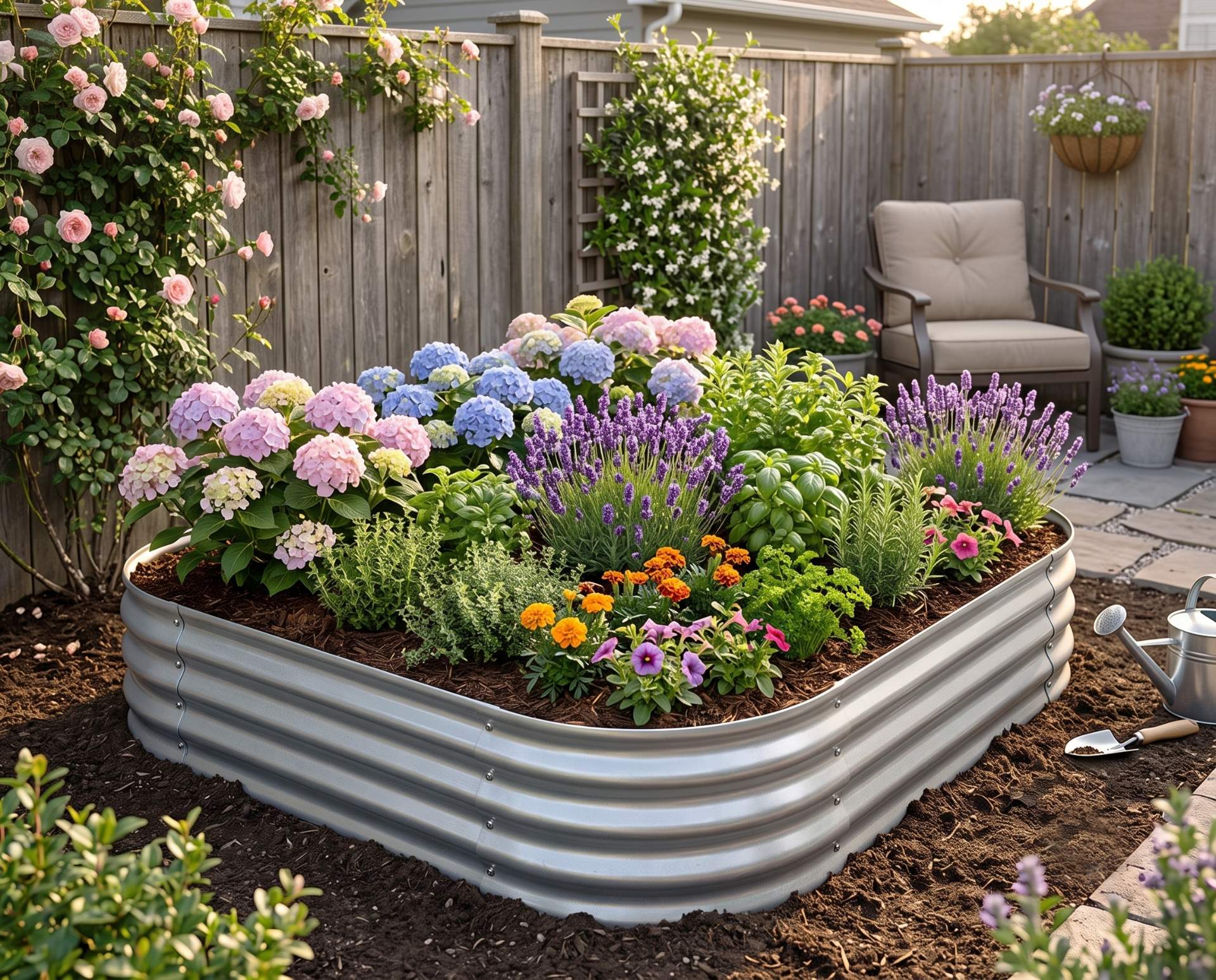
Good options include:
Lavender
Coral bells
Dwarf hydrangeas
Compact ornamental grasses
Coneflowers
Herbs
Strawberries
Bush beans
Patio tomatoes
Climbing clematis
Before buying plants, check their mature height and width rather than judging them by their size at the garden center. For perennial plants in the United States, you should also check your USDA Plant Hardiness Zone using your ZIP code. The USDA zone map indicates which perennial plants are most likely to survive the average extreme winter temperatures in a location.
This Pet and Garden guide explains how to select the best flowers, shrubs, herbs, vegetables, and vertical plants for a small yard, patio, or compact garden bed.
What Are the Best Plants for Small Gardens?
The best plants for a small garden should provide strong visual or practical value without quickly outgrowing the space.
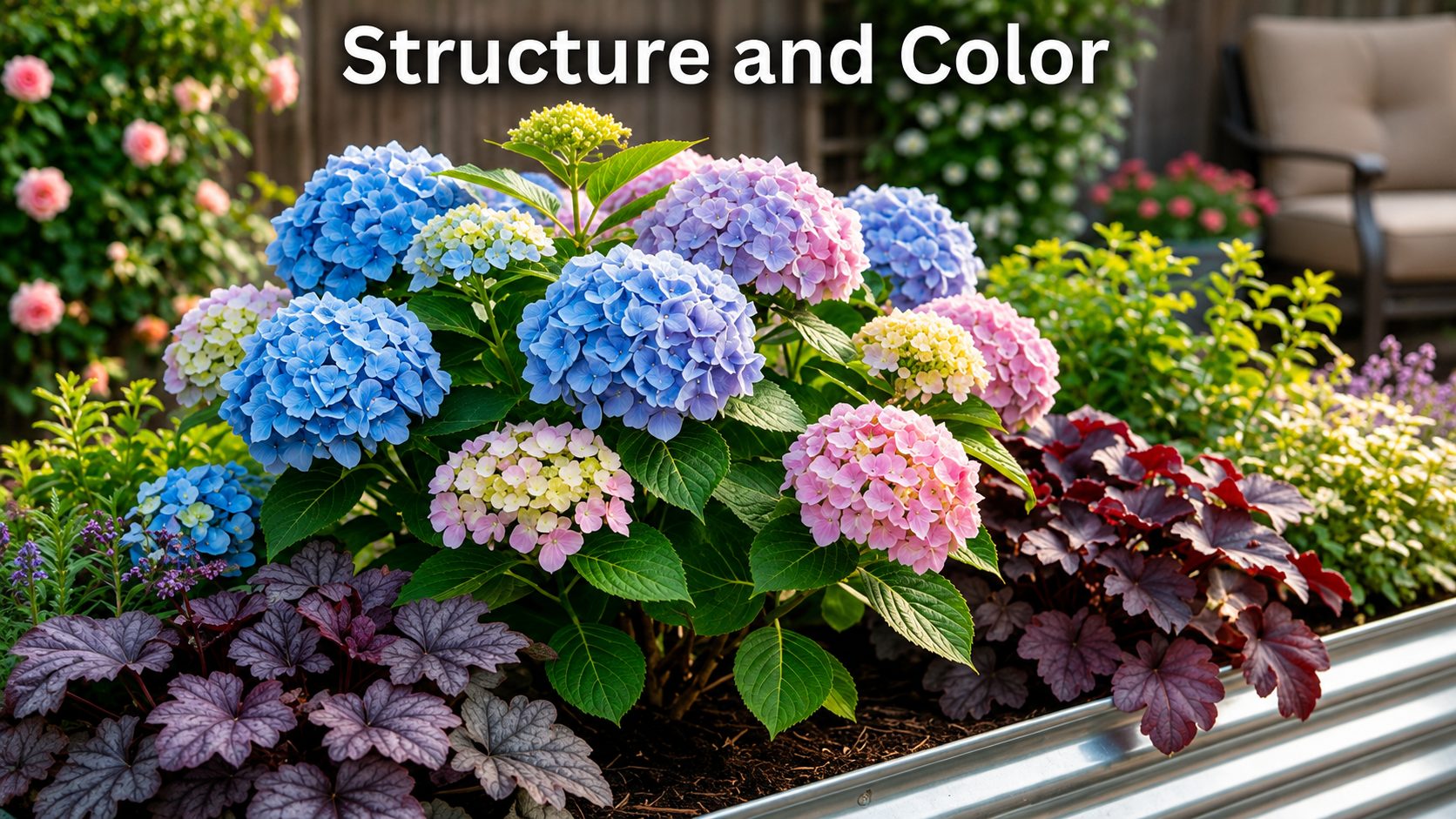
Look for plants with these characteristics:
Compact or dwarf growth
A narrow or upright form
A long flowering season
Attractive foliage
Low maintenance requirements
More than one use, such as flowers and edible fruit
Suitability for containers or raised beds
The right plant also depends on sunlight. A sunny south-facing yard needs different plants from a shaded garden beside a building or under mature trees.
Plant labels commonly describe sunlight as:
Full sun: At least six hours of direct sunlight
Part sun or part shade: Approximately three to six hours
Full shade: Less than three hours of direct sunlight
Sunlight, soil moisture, wind, humidity, and drainage can all affect plant survival, even when a plant is technically suitable for the local USDA zone.
Best Plants for Small Gardens: Quick Comparison
Plant | Best conditions | Main benefit |
|---|---|---|
Lavender | Full sun, well-drained soil | Fragrance and pollinator appeal |
Coral bells | Part shade | Colorful foliage |
Dwarf hydrangea | Sun or part shade | Compact flowering shrub |
Coneflower | Full sun | Long-lasting summer flowers |
Dwarf ornamental grass | Sun or part sun | Texture and movement |
Salvia | Full sun | Long flowering period |
Hosta | Part to full shade | Bold foliage |
Thyme | Full sun | Edible, compact ground cover |
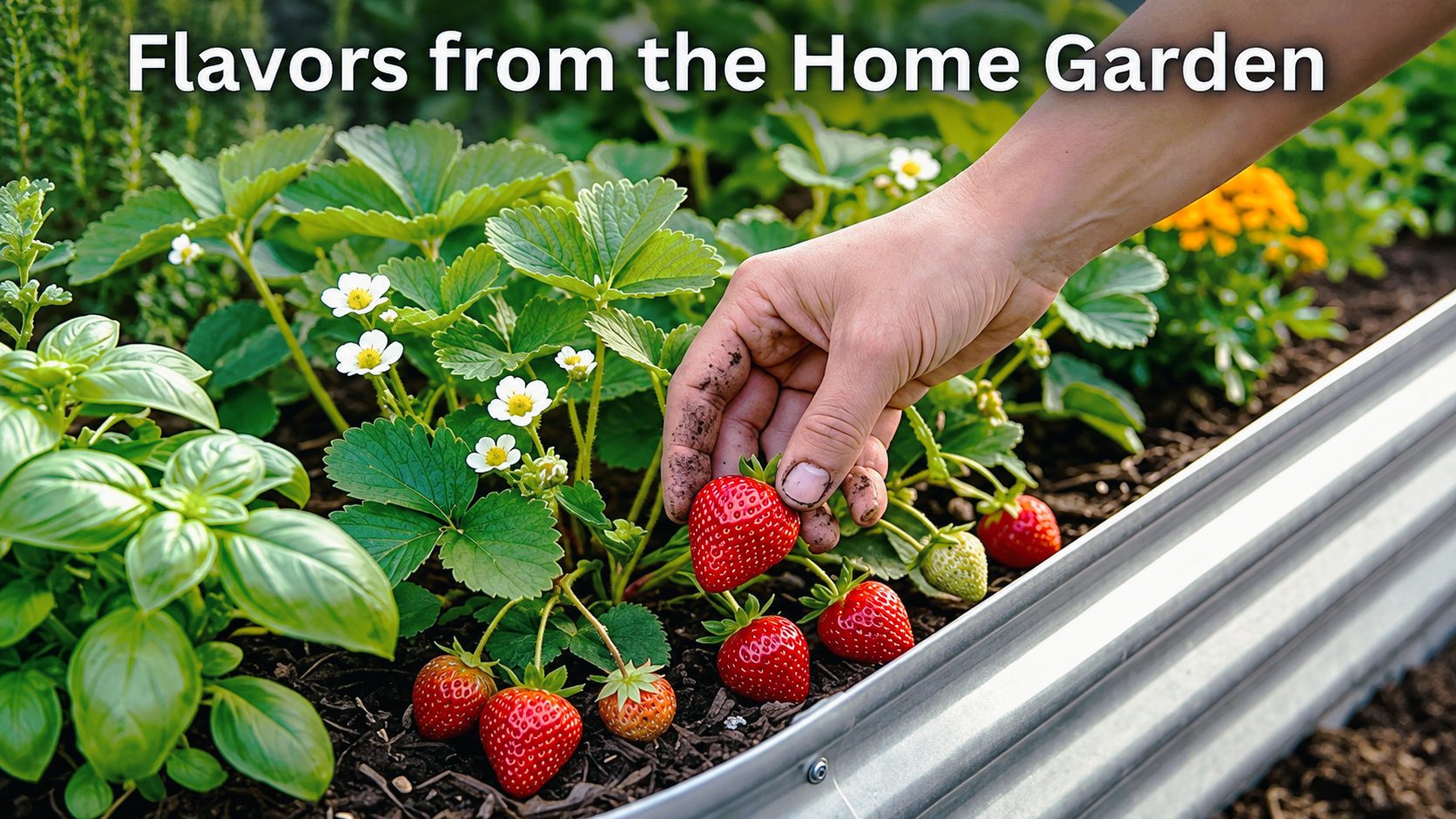
Strawberries | Full sun | Flowers and edible fruit |
Patio tomato | Full sun | Productive container vegetable |
Bush beans | Full sun | Compact edible crop |
Lettuce | Sun or part shade | Fast-growing leafy vegetable |
Clematis | Sun with cool roots | Uses vertical space |
Dwarf boxwood | Sun or part shade | Evergreen structure |
Compact spirea | Full sun | Small flowering shrub |
Best Small Shrubs for Compact Gardens
Dwarf Hydrangea
A dwarf hydrangea provides the visual impact of a flowering shrub without the size of a traditional hydrangea.
Use one as a focal point in a small bed or grow it in a large container. Check the variety carefully because mature sizes vary considerably.
Compact Spirea
Compact spirea varieties produce clusters of flowers and dense foliage while remaining relatively manageable. They work well along paths, around patios, or in small foundation beds.
Regular light pruning may help maintain their form, but avoid planting a full-size variety in a restricted space.
Dwarf Boxwood
Dwarf boxwood provides evergreen structure throughout the year. It can define the edge of a garden, frame an entrance, or create a simple formal accent.
Leave enough room for air circulation and avoid placing plants too close together.
Best Edible Plants for Small Gardens
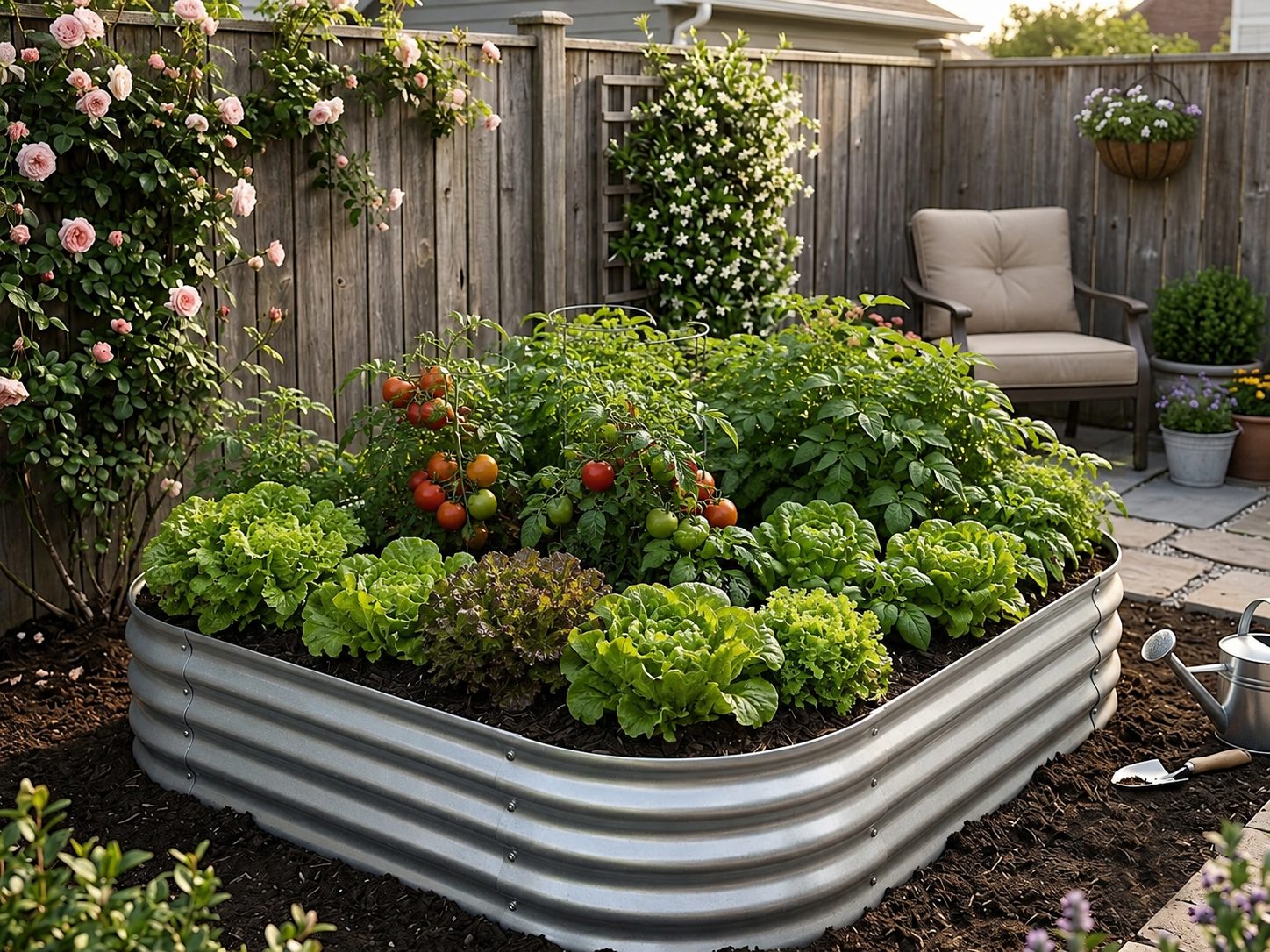
A small garden does not have to be purely ornamental. Many herbs and vegetables grow successfully in containers, raised beds, or narrow planting areas.
Herbs
Basil, parsley, chives, thyme, mint, and rosemary can provide repeated harvests from a small area.
Thyme is particularly useful because it remains low and may grow between stepping stones or along bed edges. Mint should normally be kept in a container because it can spread aggressively.
Patio Tomatoes
Choose varieties labeled patio, dwarf, bush, or determinate. These plants are generally more manageable than vigorous indeterminate tomatoes.
Tomatoes normally require at least six hours of direct sunlight and may still need a cage or stake. Penn State Extension recommends compact vegetable varieties for containers and notes that tomatoes and peppers need at least six hours of sun per day.
Lettuce
Lettuce grows quickly and has relatively shallow roots, making it suitable for window boxes, containers, and compact raised beds.
It can tolerate more shade than fruiting vegetables, particularly when temperatures become warm.
Strawberries
Strawberries offer flowers, attractive foliage, and edible fruit. They can be grown in raised beds, hanging baskets, strawberry planters, or containers.
Select a variety recommended for your climate and provide consistent moisture without keeping the roots waterlogged.
How to Choose Plants for a Small Garden
Follow these steps before planting:
Measure the available garden area.
Observe sunlight at different times of day.
Check drainage after rainfall.
Find your USDA Plant Hardiness Zone.
Decide whether you want flowers, food, privacy, or year-round structure.
Check each plant’s mature height and width.
Group plants with similar water and light requirements.
Leave enough room for growth and air circulation.
Containers are useful for patios, balconies, entrances, and other restricted spaces. Almost any type of plant can be grown in a container when the pot is large enough, but every container must allow excess water to drain away from the roots.
Simple Planting Plan for a Small Garden
For a balanced small garden, try combining:
One compact shrub for structure
Two or three flowering perennials for color
One ornamental grass for texture
Several herbs or leafy vegetables for practical use
One climbing plant for vertical interest
Repeat a limited number of plants instead of adding one of every variety. Repetition makes a small garden feel organized and less crowded.
Use containers or raised beds to create clear planting zones. Mulch exposed soil to reduce weeds and slow moisture loss.
Common Small-Garden Planting Mistakes
Avoid these common problems:
Choosing plants without checking mature size
Planting full-size shrubs in narrow beds
Adding too many unrelated plant varieties
Ignoring sunlight requirements
Combining plants with very different watering needs
Using containers without drainage holes
Planting invasive or aggressive species
Placing tall plants in front of shorter ones
Filling every open space immediately
Forgetting room for paths and maintenance
Small plants will grow. Leaving appropriate spacing at planting time helps reduce crowding, disease problems, and repeated pruning later.
Frequently Asked Questions
What are the best plants for small gardens?
The best plants for small gardens include lavender, coral bells, dwarf hydrangeas, compact spirea, salvia, thyme, strawberries, patio tomatoes, and clematis. Select plants according to sunlight, mature size, soil conditions, and USDA hardiness zone.
What plants make a small garden look bigger?
Plants with narrow growth, fine foliage, soft colors, and vertical forms can make a garden appear more spacious. Repeating a small selection of plants also creates a cleaner visual effect.
What vegetables grow best in a small garden?
Lettuce, herbs, radishes, bush beans, peppers, strawberries, and compact tomato varieties are good options. Use trellises for climbing crops to conserve ground space.
Can shrubs grow in a small garden?
Yes. Choose dwarf or compact shrubs and confirm their mature dimensions. Dwarf hydrangeas, compact spirea, dwarf boxwood, and small evergreen varieties can provide long-term structure.
Are containers suitable for small gardens?
Yes. Containers allow gardeners to use patios, balconies, steps, and paved areas. Choose containers with drainage holes and group plants that have similar sunlight and watering needs.
How many plants should I use in a small garden?
The number depends on each plant’s mature width. Follow the spacing recommendations on plant labels and avoid filling every gap with a young plant. A smaller number of well-chosen plants usually looks better than an overcrowded collection.
Final Recommendation from Pet and Garden
For most small gardens, begin with:
One compact shrub + three flowering perennials + edible herbs + one vertical plant
Choose plants that match your USDA zone, sunlight, soil moisture, and available space. Prioritize compact varieties and always check mature dimensions before purchasing.
A successful small garden does not need a large number of plants. It needs the right plants arranged with purpose. By combining structure, seasonal flowers, edible crops, and vertical growth, even a small yard or patio can become a practical and attractive outdoor space.
Related / Bài viết & sản phẩm liên quan
Explore more content and products hand-picked for this article.
 Product
Round Galvanized Steel Raised Garden Bed 2 x 2 x 1 ft
View product → Blog
BlogBest Soil Mix for Vegetable Garden: Easy DIY Recipe
Read more → Blog
BlogRaised Garden Beds vs. In-Ground Gardening: Which One Is Better for Your Garden?
Read more → Product
2-in-1 Modular Galvanized Steel Raised Garden Bed Kit 3.5 x 3.5 x 1 ft
View product →